



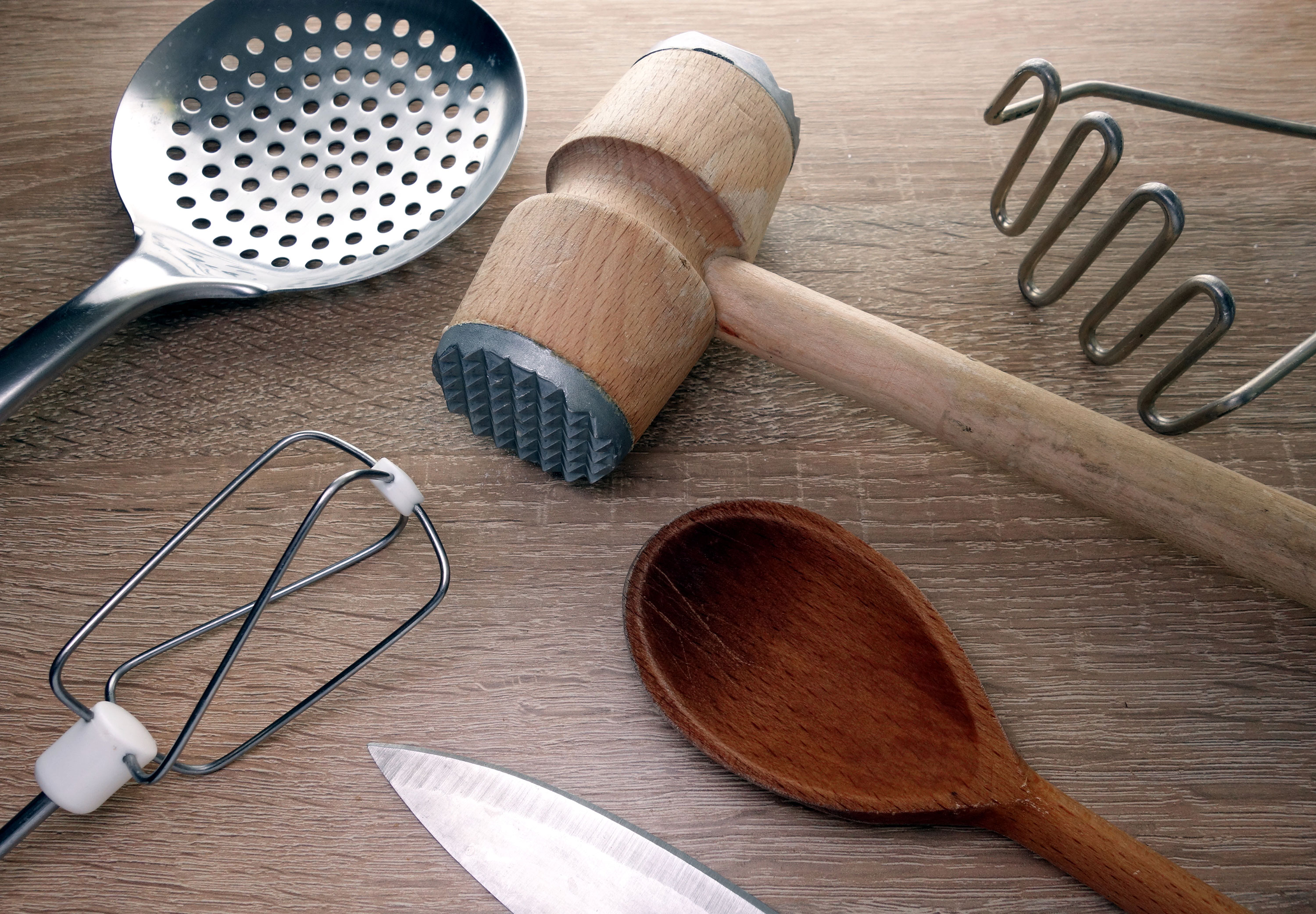
"In a large house, there are not only gold and silver vessels, but also wooden and clay ones. Some are for honorable use, and others for common use. So, if anyone cleanses themselves from these misconceptions, they will be a vessel for honor, sanctified and useful to the master, prepared for every good work" (2 Timothy, ch. 2, vv. 20–21*).
Do you have unnecessary items in your home? Surely you would prefer every household appliance you own to be useful. Otherwise, what is the point of having it?
In the same way, what is the benefit of us if we live solely for ourselves and do not serve where the Lord has placed us? He did not create us and subsequently save us to live focused on our own lives, needs, and problems. We can leave all that to Him. And then look around us to see the needs of others.
As God's children, all believers are parts of one family, one home. He has also given us gifts—not to keep for ourselves, but to be useful to others. Every vessel in the house is different—be it in material or use. What is important is its usefulness. However, even if a vessel is useful, if it is found to be needed but it is not cleaned, then it is not ready for use. That is why the Apostle Paul says "prepared for every good work." Again, he says in the book of Hebrews: "The land drinks in the rain often falling on it and that produces a crop useful to those for whom it is farmed receives the blessing of God. But land that produces thorns and thistles is worthless and is in danger of being cursed. In the end, it will be burned" (Hebrews, ch. 6, vv. 7–8*). Here the metaphor is different, but the idea is the same: God provides what is necessary (in this case, the rain), and we are required to bear fruits (or be vessels) that bring benefit.
Are we prepared to do the good works that the Lord wants from us and to be useful?
*Bible quotes are from Bible, new translation from the original languages © Bulgarian Bible Society 2013.