



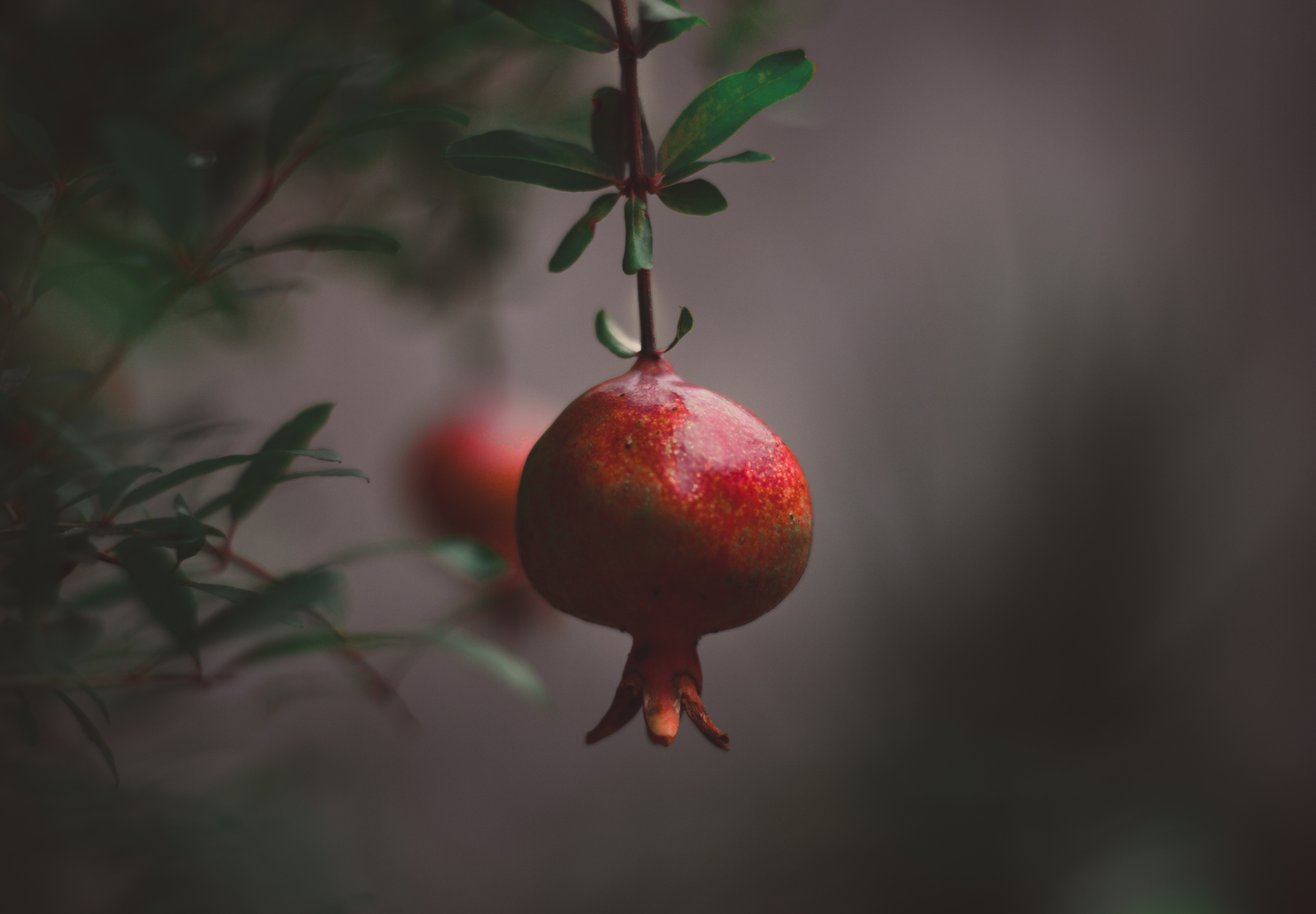

“You did not choose Me, but I chose you and appointed you to go into the world, to bear fruit, and that your fruit should remain, so that whatever you ask from the Father in My name, He may give you.” (Gospel of John, ch. 15, v. 16*)
Have you ever thought about what would have happened if Cyril and Methodius had not created the Glagolitic script? What if their disciples, whose names we might not all remember, hadn’t come to the Bulgarian lands? If Hristo Botev and Levski had decided to do something else instead of engaging in the liberation struggle? And if every ordinary man, woman, or child from the participants in the April Uprising and later in the war hadn’t joined?
We tend to believe that there are bright and significant figures in history and humanity who are irreplaceable and without whom the world would not be as it is today. Yet, we hardly see ourselves as such figures or even our contemporaries. It seems the present is never so special, nor are we. It's difficult for us to see the preciousness in routine activities, in ordinary days. However, can we understand how God sees us at this moment? What value does each of our lives hold in His eyes, whether important or not, famous or not, deserving or not?
There are no accidentally arrived people in this world. There are no unnecessary and unworthy human souls. Each one of us has come, carrying within us God's plan for the world and our role in it. This plan has potential, meaning, and immense value both for humanity and for the individual participant. There's an important detail though – we decide whether we will participate on God's side of the plan. If we choose not to follow God's providence, this plan will not be realized for us personally. However, this won’t disrupt God's intention. Only we will be the losers. What exactly does God want for us?
In Gospel of John, ch. 15, v. 16, which begins this message, Jesus reveals what He wants for us and why He has chosen us – to go into the world and bear fruit that is lasting. In Greek, where it talks about lasting fruit, the verb menó is used, translated as to remain, to endure, to live, to abide. To understand more clearly what lasting fruit in our lives is, we should also look at what Apostle Paul says: “For no one can lay any foundation other than the one already laid, which is Jesus Christ. If anyone builds on this foundation using gold, silver, precious stones, wood, hay or straw, the work will be shown for what it is, because the Day will bring it to light. It will be revealed with fire, and the fire will test the quality of each person's work. If what has been built survives, the builder will receive a reward. If it is burned up, the builder will suffer loss but yet will be saved – even though only as one escaping through the flames.” (First Epistle to the Corinthians, ch. 3, v. 11-15*)
The value and meaning of our lives are not hidden in scale, in importance in the eyes of people, in what history might remember, but in whether our work and efforts have been for and through Christ.
The brothers Cyril and Methodius were led by love for God and the desire to make God's word accessible to ordinary people. We see the lasting fruit of this work even now, as we write and read these lines.
Remember, for God, you are not an aimless accident. Your work and efforts would be just as valuable, as long as you are led by love for Him.
*The Biblical quotes are according to the text of Bible, New Translation from the Original Languages © Bulgarian Bible Society 2013.
Photo: Feliphe Schiarolli/Unsplash.com