


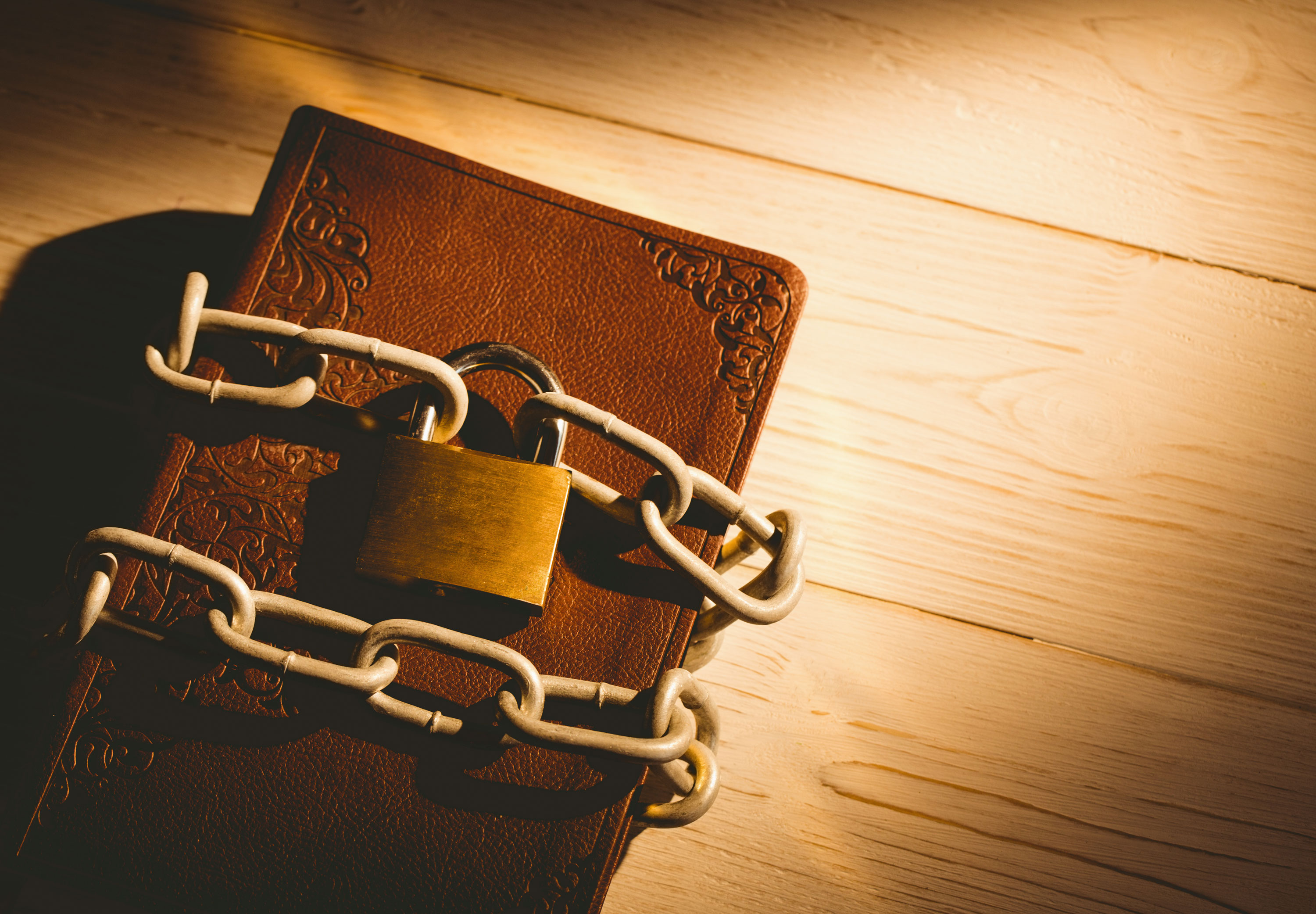
Is it a crime to own a Bible? For most of us, God's word is readily accessible—on the bedside shelf or as a mobile app on our phones. But for millions of Christians worldwide, the Bible is a dangerous book.
You may have heard that the Bible is "illegal in 52 countries." While the specific number is merely statistical, the reality is more complex. In 2026, organizations like "Open Doors" and "Voice of the Martyrs" are monitoring over seventy countries where following the Lord Jesus comes at a high cost. In some of these, the Bible is a "contraband item." In others, the government tracks every copy, and in some, possession can result in a death sentence.
High-risk areas in 2026
While the original list of 52 countries includes many where the Bible is theoretically legal but hard to find (such as in India and Ethiopia), in the following countries, access to Bibles is most strictly limited or illegal today:
North Korea: The most restrictive country in the world. Owning a Bible can lead to a life sentence in a labor camp or execution.
Somalia: Under strict Sharia law, importing and distributing Bibles is illegal. Believers are persecuted by extremists.
Yemen and Libya: Prolonged conflicts and extremist influence make it nearly impossible to safely possess paper copies of the Bible.
Iran: Farsi-language Bibles are frequently confiscated. Those caught with them face charges against "national security."
China: The government has removed Bibles from online bookstores and only allows "censored" versions in state churches.
Afghanistan: Since 2021, the Bible has been treated as illegal contraband. Possessing it is life-threatening.
Nicaragua: Recent laws prohibit the importation of Bibles and Christian literature from abroad.
How Scripture finds its way
Even where the Bible is banned, the Lord is at work. Organizations like "Love Packages" play a huge role. They don't merely "smuggle," but use a massive, legal logistical network to deliver Bibles to those who need them.
Strategy: "Love Packages" collects second-hand Bibles and literature in the USA and ships them by the ton to transport hubs in countries with more freedom (like South Africa and India).
Delivery: Once reaching these points, local networks of frontline workers carry the Bibles across the borders into more restricted areas—often at great personal risk.
Facts vs. myths in 2026: access to Bibles and persecution
Myth 1: The Bible is illegal in 52 countries.
-
- Fact: In 2026, there are on average 15 countries where possessing a Bible is a serious crime and can lead to execution (e.g., North Korea, Somalia, Afghanistan).
- Nuances: The "52 countries" often refer to regions where most non-Christians in the world live. In many of these countries (e.g., India and Egypt), it is not illegal to have a Bible, but Christians face social hostility and harassment from locals.
Myth 2: If a country has a church, the Bible is legal there:
-
- Fact: Not necessarily. In countries like China, the government allows the Bible only in "state-approved" churches. Selling it online or in private bookstores is forbidden.
- Fact: In Iran, Bibles can be found in old ethnic churches (like Armenian churches), but owning a Bible in the local language (Farsi) is illegal.
Myth 3: Physical smuggling is the only way to bring a Bible into restrictive zones.
-
- Fact: While container shipping (like that of "Love Packages") is significant, 2026 is the era of digital smuggling.
- Reality: In countries like Saudi Arabia and the Maldives, many young people access the Bible through encrypted apps, SD cards, or "offline" digital libraries since the physical book is too easily detected by authorities.
Myth 4: Persecution occurs only in Islamic or communist countries.
- Fact: In 2026, Nicaragua and Cuba experienced some of the fastest-growing restrictions in the West.
- Fact: In Mexico and Colombia, the prohibition doesn't come from the government but from drug cartels. In certain areas, cartels "ban" the Bible because Christians interfere in their business, and they kill pastors who distribute it.
Top 5 most dangerous countries in 2026
-
- North Korea: Highest risk. Owning a Bible = labor camp or execution.
- Somalia: Extremist groups execute those found with Christian literature.
- Yemen: No legal protection. Bibles must be hidden in homes.
- Sudan: Civil war makes the distribution of Bibles extremely dangerous and unstable.
- Eritrea: Known as the "African North Korea". Hundreds of Christians are imprisoned in shipping containers for their faith.
Link to the original article: https://churchleaders.com/youth/2214398-countries-where-the-bible-is-banned-2026.html